
The Ultimate Guide to Vitamin C Serum: Benefits, Application, and How to Choose the Right Formula
If there is one skincare ingredient dermatologists consistently praise for delivering visible, multi-benefit results, it is Vitamin C. Used in the form of a concentrated topical serum, Vitamin C helps defend your skin against daily environmental stress while promoting a brighter, firmer, and more even-toned complexion.
Whether you are dealing with dullness, post-blemish marks, uneven texture, or early signs of aging, understanding how Vitamin C serum works—and how to use it correctly—can transform your daily routine.
What Is Vitamin C Serum and How Does It Work?
A Vitamin C serum is a lightweight, concentrated skincare treatment formulated with ascorbic acid or a stable Vitamin C derivative to deliver antioxidants directly to the skin. Because serums have smaller molecules and higher active concentrations than most standard creams or cleansers, they absorb quickly and target specific skin concerns efficiently.
At its core, Vitamin C works in three major ways:
Antioxidant Defense: Every day, UV rays, pollution, and environmental stressors generate free radicals that damage healthy skin cells and accelerate premature aging. Vitamin C helps neutralize these unstable molecules before they cause visible dullness or fine lines.
Collagen Support: Collagen is the structural protein responsible for keeping skin plump, smooth, and resilient. Topical Vitamin C supports healthy collagen production, helping skin maintain elasticity over time.
Tone Balancing: Excess melanin production can leave behind stubborn dark spots, sun spots, and uneven patches. Vitamin C helps regulate pigment pathways so your complexion looks clearer and more radiant.
Top Benefits of Adding Vitamin C Serum to Your Routine
Consistent use of a well-formulated Vitamin C serum addresses several common skincare goals at once:
Brightens Dull, Tired-Looking Skin: Helps revive lackluster skin so it looks fresher and more luminous.
Reduces the Appearance of Dark Spots: Gradually softens the look of hyperpigmentation, sun exposure marks, and leftover blemish spots.
Supports Smoother, Firmer Texture: Encourages a healthier-looking skin surface and helps minimize the look of fine lines.
Pairs Seamlessly With Sunscreen: While Vitamin C is not a substitute for SPF, using it underneath broad-spectrum sunscreen in the morning provides added antioxidant protection against daily environmental stressors.
Suitable for Most Skin Types: When properly formulated and introduced gradually, dry, oily, combination, and mature skin types can all benefit from Vitamin C.
How to Use Vitamin C Serum for Maximum Results
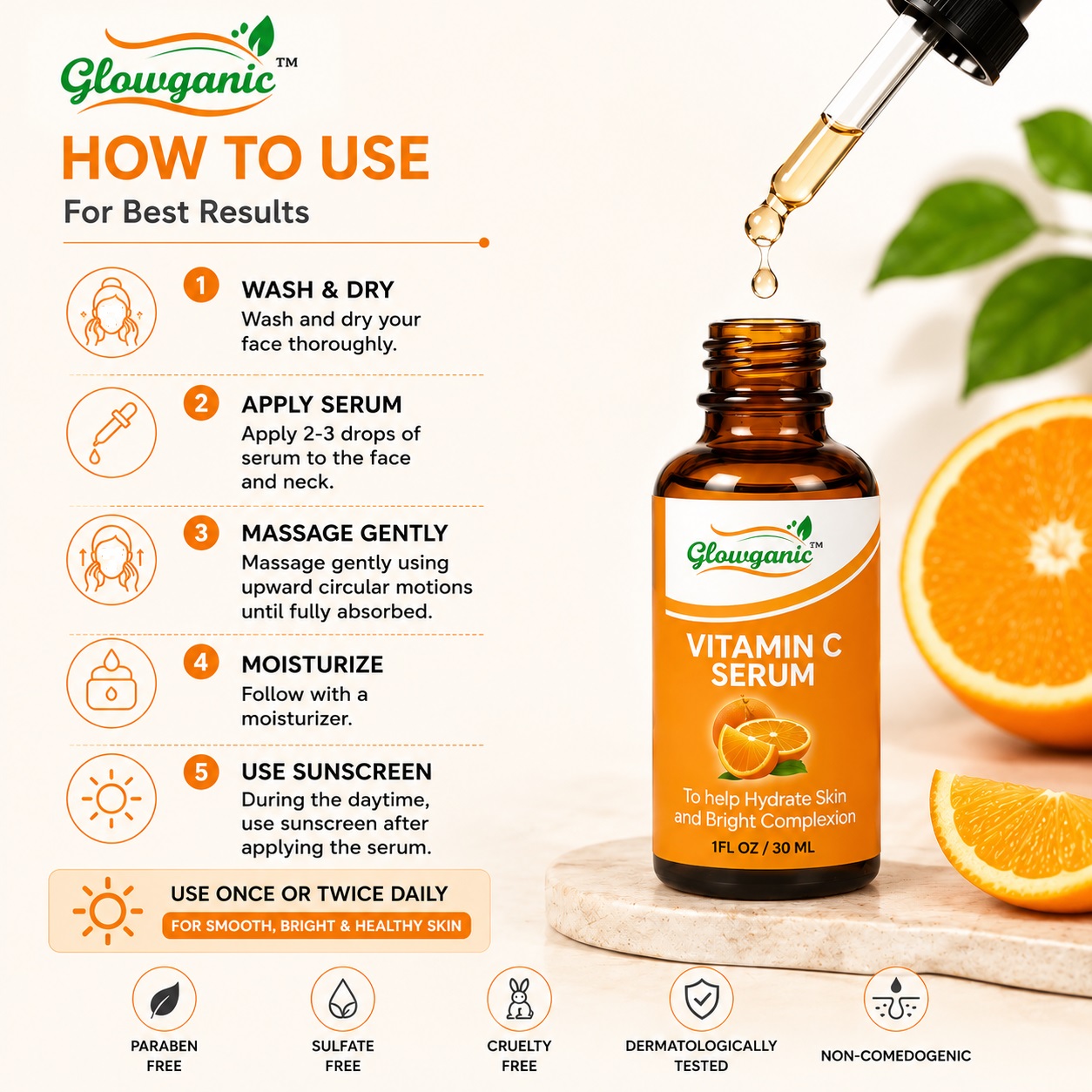
Even the best serum will underperform if applied inconsistently or layered incorrectly. Follow this simple step-by-step routine to get the most out of every drop:
Step 1: Start With Clean Skin
Wash your face with a gentle, pH-balanced cleanser to remove sweat, oil, and impurities. Pat your skin until it is slightly damp or dry, depending on your product instructions.
Step 2: Apply a Small Amount
Dispense 2 to 3 drops (or one small pump) of serum onto your fingertips. More product does not mean faster results—a thin, even layer absorbs better and feels lighter on the skin.
Step 3: Press Gently Into Face and Neck
Smooth the serum over your face, avoiding the immediate eye area unless the formula is specifically tested for eyes. Extend a little down your neck and chest so your tone stays even.
Step 4: Lock in Moisture With a Moisturizer
Once the serum has absorbed (usually within 30 to 60 seconds), follow up with a moisturizer suited to your skin type to seal in hydration and support your skin barrier.
Step 5: Wear Sunscreen Every Morning
If you apply your Vitamin C serum in the morning—which is ideal for daytime antioxidant defense—always finish with a broad-spectrum sunscreen (SPF 30 or higher) as the final step of your routine.
Pro Tip for Beginners: If you are new to Vitamin C or have sensitive skin, start by applying it 3 to 4 mornings a week for the first two weeks. Once your skin adjusts comfortably, move up to daily use.
Common Mistakes to Avoid With Vitamin C Serum
Watch out for these frequent missteps that can cause irritation or reduce effectiveness:
Skipping Sunscreen During the Day: Vitamin C supports your skin against environmental stress, but UV rays still break down collagen and trigger dark spots without daily SPF.
Layering Too Many Strong Actives at Once: Combining Vitamin C with strong exfoliating acids (like high-strength AHA/BHA), benzoyl peroxide, or retinoids in the exact same routine can overwhelm sensitive skin. If you use retinoids at night, keep Vitamin C in your morning routine.
Ignoring Storage and Oxidation: Vitamin C is sensitive to light, heat, and air. Always keep the bottle tightly closed and stored away from direct sunlight or hot steamy shelves. If a serum turns dark brown and smells noticeably off, it has oxidized and lost potency.
Expecting Overnight Transformation: Skin renewal takes time. Most people start noticing brighter texture within a few weeks, while deeper dark spots typically take 6 to 12 weeks of consistent daily use to visibly soften.
Choosing the Right Vitamin C Serum: What to Look For
Not every Vitamin C bottle on the shelf delivers the same experience. When comparing options, look at:
Formula Stability & Packaging: Dark, opaque, or UV-protective bottles help shield active ingredients from light degradation.
Skin-Friendly Supporting Ingredients: Hydrating humectants (like glycerin or hyaluronic acid) and soothing botanicals help keep skin comfortable while delivering brightening benefits.
Texture & Absorption: A lightweight, non-sticky texture layers easily under moisturizer and makeup without pilling or feeling heavy.
If you are looking for a targeted option to add to your daily regimen, explore the Glowganix Vitamin C Serum and see how it fits into your morning or evening skincare routine.
Frequently Asked Questions About Vitamin C Serum
Can I use Vitamin C serum every day?
Yes, most people can use Vitamin C serum once a day—most commonly in the morning. If you have sensitive skin, start every other day and increase frequency gradually as your skin builds tolerance.
Should I apply Vitamin C serum in the morning or at night?
Morning application is popular because its antioxidant action complements your daily sunscreen against environmental stressors. However, evening use is also fine if it fits your schedule better—consistency matters most.
Can I use Vitamin C serum with niacinamide or hyaluronic acid?
Yes. Hyaluronic acid pairs well with Vitamin C for added hydration, and niacinamide is widely used alongside Vitamin C in modern skincare routines. If your skin is reactive, introduce new actives one at a time to see how your skin responds.
How long does it take to see results from Vitamin C serum?
Many users notice a fresher, brighter look within 2 to 4 weeks, while more noticeable improvements in uneven tone and dark spots generally take 6 to 12 weeks of consistent use.
Final Thoughts
Adding a Vitamin C serum to your skincare routine is one of the most practical, high-impact upgrades you can make for brighter, healthier-looking skin. Pair gentle cleansing, consistent application, proper storage, and daily sunscreen, and give your skin steady time to respond.
Ready to upgrade your daily glow? Check out the Glowganix Vitamin C Serum and start building a routine your skin will love.
Would you like me to tailor this post further for a specific target audience—such as men’s skincare, acne-prone skin, or a specific country/region?

About Us

Glowganic Laboratories was founded with the purpose of creating highest quality cosmetics and skin care product with an affordable price, but without ever compromising on ingredients or ethics. We chose our products carefully – all are free of sulphates, Parabens, dyes, toxic and harmful chemicals. Company continuously innovates to offer a wide range of high quality skincare products. Combining international cosmetic skin care technology with an indepth understanding of the woman’s(skin care) needs, we also offers its consumers a comprehensive beauty experience through its products that are ideal for a variety of skin tones.
Top rated
-
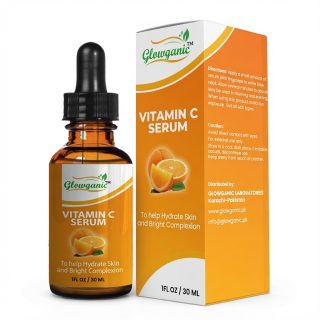
 Glowganic Vitamin C Face Serum 30ml
Original price was: ₨ 430.₨ 425Current price is: ₨ 425.
-
Salicylic Acid Peel 30% - Glowganic 30 ml
₨ 390
-
Lactic Acid 80% | 30 ml | Glowganic | Exfoliating Chemical Peel for Bright & Smooth Skin
₨ 380
-
TCA Peel 20% / Trichloroacetic acid peel 20% 20 ml
₨ 890
-
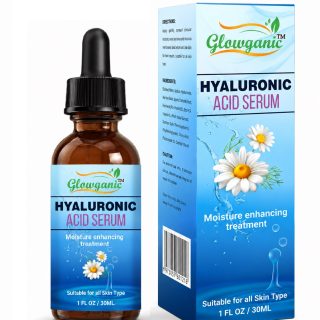
Hyaluronic Acid Serum 30 ml – Deep Hydration for Healthy-Looking Skin | Glowganic Pakistan
Original price was: ₨ 370.₨ 350Current price is: ₨ 350.




Leave a Reply