
If you are looking for a multitasking skincare ingredient that tackles breakouts, stubborn dark spots, redness, and uneven texture without harsh irritation, Azelaic Acid Serum deserves a permanent spot on your shelf.
Unlike stronger exfoliating acids that can strip or sensitize your skin barrier, azelaic acid works gently yet effectively across multiple skin concerns at once. Whether you deal with acne-prone skin, post-blemish marks, or persistent facial redness, understanding how to use azelaic acid properly can help you achieve a clearer, calmer, and more balanced complexion.
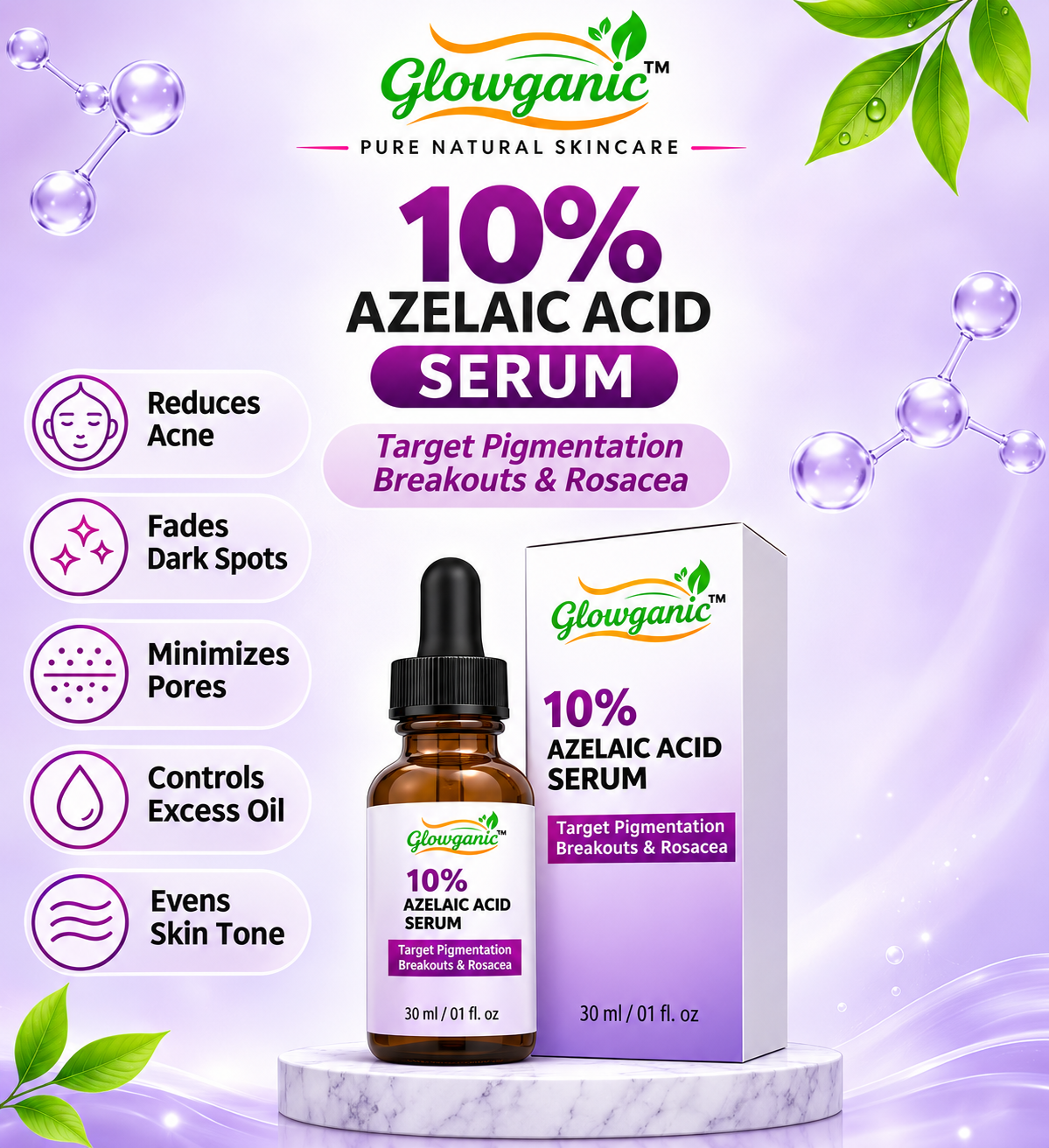
What Is Azelaic Acid Serum?
Azelaic acid is a naturally occurring dicarboxylic acid derived from grains such as barley, wheat, and rye (and also produced naturally by healthy yeast living on human skin). In skincare, it is typically synthesized in a lab for maximum purity, stability, and effectiveness.
When formulated into a lightweight Azelaic Acid Serum, it penetrates easily into the upper layers of the skin to target inflammation, clogged pores, and excess pigment production—all while remaining gentle enough for sensitive and reactive skin types.
Key Benefits of Azelaic Acid Serum for Skin
Dermatologists frequently recommend azelaic acid because very few ingredients address both acne and discoloration simultaneously with such a low risk of irritation.
Calms Redness and Sensitivity: Azelaic acid has powerful soothing and anti-inflammatory properties that visibly reduce facial redness, flushing, and irritation—making it a favorite for rosacea-prone and sensitive skin.
Fights Acne and Clogged Pores: It helps clear out dead skin cells and debris inside pores while keeping acne-causing bacteria in check, reducing active breakouts and preventing future blemishes.
Fades Dark Spots and Hyperpigmentation: By inhibiting tyrosinase (the enzyme responsible for excess melanin production), azelaic acid gradually fades post-acne marks (PIH), melasma, and sun spots without bleaching surrounding healthy skin.
Smooths Uneven Skin Texture: Gentle keratolytic action encourages steady skin cell turnover, leaving rough or bumpy skin noticeably softer and more refined.
Safe for All Skin Tones and Most Skin Types: Unlike aggressive resurfacing treatments that can trigger rebound pigmentation in deeper skin tones, azelaic acid is well-tolerated across all Fitzpatrick skin types.
Azelaic Acid vs. Other Popular Skincare Acids
Wondering how azelaic acid compares to other active ingredients in your routine? Use this quick comparison to decide what fits your skin goals best:
How to Use Azelaic Acid Serum in Your Skincare Routine
Adding an Azelaic Acid Serum to your regimen is straightforward, but applying it in the right order ensures maximum absorption and minimal irritation.
Step 1: Cleanse Gently
Wash your face with a mild, non-stripping cleanser and pat your skin dry with a clean towel. Applying azelaic acid to completely dry skin helps minimize any mild tingling sensation.
Step 2: Apply a Thin Layer of Azelaic Acid Serum
Dispense 2 to 3 drops (or a pea-sized amount) and spread an even, thin layer across your entire face—or focus on areas prone to breakouts, redness, and uneven tone. Avoid the immediate eye contour and corners of the mouth.
Step 3: Follow With a Hydrating Moisturizer
Wait 30 to 60 seconds for the serum to settle, then apply a nourishing moisturizer to support your skin barrier and lock in hydration.
Step 4: Finish With Sunscreen (Morning Routine)
Azelaic acid can be used once or twice daily (morning and/or night). Whenever you apply it in the morning, always finish with a broad-spectrum sunscreen (SPF 30 or higher) to protect fading dark spots from UV-triggered darkening.
Beginner Tip: If your skin is very sensitive, start by applying Azelaic Acid Serum once every other day for the first week. Once your skin feels comfortable, increase to once or twice daily.
What Can You Layer With Azelaic Acid Serum?
One of the biggest advantages of azelaic acid is how easily it plays with other skincare staples:
Niacinamide: An ideal pairing. Together, niacinamide and azelaic acid double down on redness reduction, oil control, and pore refinement.
Hyaluronic Acid & Ceramides: Great for boosting hydration and keeping your skin barrier strong.
Vitamin C: Can be layered together (apply Vitamin C first on clean skin, followed by azelaic acid) or split between morning (Vitamin C) and evening (Azelaic Acid).
Retinoids / Retinol: Many dermatologists pair azelaic acid with retinoids for stubborn acne and hyperpigmentation, though beginners should use azelaic acid in the morning and retinol at night to prevent dryness.
If you are ready to add this gentle powerhouse to your daily regimen, explore the Glowganic Azelaic Acid Serum to find targeted formulas built for clear, balanced skin.
Frequently Asked Questions About Azelaic Acid Serum
How long does Azelaic Acid Serum take to work?
Most users notice calmer redness and fewer active breakouts within 2 to 4 weeks of consistent use. Stubborn dark spots and post-acne marks typically take 8 to 12 weeks to visibly fade.
Is it normal for Azelaic Acid Serum to tingle at first?
Yes, a mild, temporary tingling or itching sensation during the first few applications is common—especially if applied to damp skin. Applying it to completely dry skin and following with moisturizer usually stops this sensation quickly.
Does azelaic acid cause skin purging?
Because azelaic acid gently increases cell turnover and clears clogged pores, a mild, short-lived breakout phase (purging) can happen in the first 2 to 3 weeks if you have underlying congestion. Unlike irritation, purging clears up faster and occurs in your usual breakout zones.
Can I use Azelaic Acid Serum every day?
Yes. Over-the-counter Azelaic Acid Serums (typically formulated at 5% to 10%) are gentle enough for daily use—and can even be used twice a day once your skin is acclimated.
Final Thoughts
Whether you are targeting stubborn post-blemish spots, recurring breakouts, or everyday redness, an Azelaic Acid Serum offers one of the safest, most well-rounded solutions in modern skincare. Stay consistent, pair it with daily sunscreen, and give your skin steady time to reveal a clearer, smoother complexion.
Would you like me to create a comparison blog post next (for example, Vitamin C vs. Azelaic Acid: Which One Should You Choose?) so you can interlink both posts on WordPress for stronger SEO authority?

About Us

Glowganic Laboratories was founded with the purpose of creating highest quality cosmetics and skin care product with an affordable price, but without ever compromising on ingredients or ethics. We chose our products carefully – all are free of sulphates, Parabens, dyes, toxic and harmful chemicals. Company continuously innovates to offer a wide range of high quality skincare products. Combining international cosmetic skin care technology with an indepth understanding of the woman’s(skin care) needs, we also offers its consumers a comprehensive beauty experience through its products that are ideal for a variety of skin tones.
Top rated
-
 Glowganic Vitamin C Face Serum 30ml
Original price was: ₨ 430.₨ 425Current price is: ₨ 425.
-
Salicylic Acid Peel 30% - Glowganic 30 ml
₨ 390
-
Lactic Acid 80% | 30 ml | Glowganic | Exfoliating Chemical Peel for Bright & Smooth Skin
₨ 380
-
TCA Peel 20% / Trichloroacetic acid peel 20% 20 ml
₨ 890
-
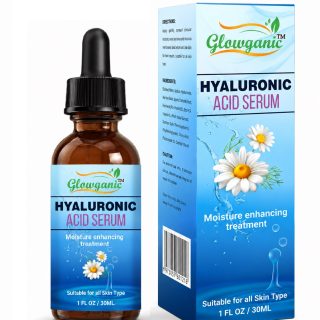
Hyaluronic Acid Serum 30 ml – Deep Hydration for Healthy-Looking Skin | Glowganic Pakistan
Original price was: ₨ 370.₨ 350Current price is: ₨ 350.



Leave a Reply