

Glycolic acid is one of the most popular and effective skincare ingredients for exfoliation and glow-up goals! 💫 Here’s everything you need to know about its benefits and how to use it safely:
🌟 What Is Glycolic Acid?
A type of Alpha Hydroxy Acid (AHA)
Derived from sugar cane
Has the smallest molecule size of all AHAs, allowing it to penetrate deeply into the skin
✅ Benefits of Glycolic Acid for Skin
1. Exfoliates Dead Skin Cells
Removes the outermost layer of dead skin to reveal smoother, brighter skin underneath.
2. Fades Dark Spots & Hyperpigmentation
Helps even out skin tone by breaking down excess melanin in the skin.
3. Reduces Fine Lines & Wrinkles
Stimulates collagen production, which helps with skin firmness and elasticity.
4. Unclogs Pores & Prevents Acne
Keeps pores clear by dissolving excess oil and dead skin buildup.
5. Improves Texture & Glow
Leaves skin soft, radiant, and more receptive to serums and moisturizers.
🧴 How to Use Glycolic Acid
🔹 Start Low & Slow
Begin with a 5–10% concentration if you’re new to acids
Use 2–3 times per week at night
Increase frequency or strength gradually as your skin adjusts
🔹 Application Tips
Cleanse your skin thoroughly
Apply glycolic acid product (toner, serum, or peel)
Avoid eyes, nostrils, lips
Follow with a hydrating moisturizer
Always use SPF 30+ during the day — glycolic makes skin more sun-sensitive!
🔹 Product Types
Toner: gentle daily exfoliation
Serum: stronger treatment for targeted concerns
Peel: weekly or biweekly deep exfoliation
Cleanser: mild, good for beginners or sensitive skin
⚠️ What to Watch Out For
Tingling or mild redness is normal, especially when starting
Don’t mix with strong actives like retinol, vitamin C, or benzoyl peroxide unless your skin is used to it
Not ideal for very sensitive or compromised skin barriers
🧴 Good Product Pairings:
After glycolic acid: Use hyaluronic acid, ceramides, or niacinamide for hydration and soothing
Avoid layering with scrubs or other exfoliating acids unless you’re experienced

About Us

Glowganic Laboratories was founded with the purpose of creating highest quality cosmetics and skin care product with an affordable price, but without ever compromising on ingredients or ethics. We chose our products carefully – all are free of sulphates, Parabens, dyes, toxic and harmful chemicals. Company continuously innovates to offer a wide range of high quality skincare products. Combining international cosmetic skin care technology with an indepth understanding of the woman’s(skin care) needs, we also offers its consumers a comprehensive beauty experience through its products that are ideal for a variety of skin tones.
Top rated
-
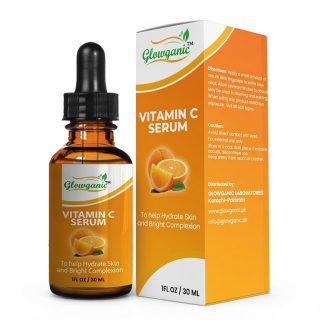
 Vitamin C Face Serum 30ml | Dark Spots & Glowing Skin Glowganic Pakistan
Original price was: ₨ 430.₨ 399Current price is: ₨ 399.
Vitamin C Face Serum 30ml | Dark Spots & Glowing Skin Glowganic Pakistan
Original price was: ₨ 430.₨ 399Current price is: ₨ 399. -
Glycolic Acid 70% Peel | Professional AHA Chemical Peel for Advanced Skin Exfoliation & Skin Texture Improvement
Original price was: ₨ 500.₨ 400Current price is: ₨ 400.
-
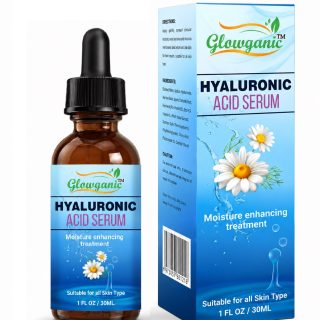
Hyaluronic Acid Serum 30 ml – Deep Hydration for Healthy-Looking Skin | Glowganic Pakistan
Original price was: ₨ 370.₨ 350Current price is: ₨ 350.
-
10% Glycolic Acid Serum
Original price was: ₨ 430.₨ 370Current price is: ₨ 370.
-
Lactic Acid 80% | 30 ml | Glowganic | Exfoliating Chemical Peel for Bright & Smooth Skin
₨ 380





Leave a Reply