
Jessner Peel: Benefits, Side Effects, Recovery, and Aftercare
A Jessner peel is a professional chemical peel that exfoliates the outer layers of the skin. A dermatologist may recommend it for clogged pores, some types of uneven pigmentation, or mild surface roughness. Classic Jessner’s solution is usually used as a superficial peel. When combined with another peeling agent such as trichloroacetic acid (TCA), it can be part of a medium-depth treatment with a longer recovery. Clinical review of chemical peel depth and uses
If you’re considering a Jessner peel, ask which formula and depth your clinician plans to use. That information helps you judge the likely benefits, how much downtime to plan for, and your risk of developing dark marks after treatment.
What’s in a Jessner peel?
The classic Jessner formula contains salicylic acid, lactic acid, and resorcinol, traditionally described as 14% each in an ethanol base. Salicylic acid helps loosen buildup in clogged pores. Lactic acid, an alpha-hydroxy acid (AHA), exfoliates the skin’s surface. Resorcinol also helps loosen and shed surface skin cells. Review of chemical peels for acne
A modified Jessner peel uses a different formulation. Some versions omit resorcinol, and the ingredients can vary by product. Ask which formula your clinician uses, especially if you have a history of reactions to skincare products or medications. FDA chemical peel safety advisory
What can a Jessner peel help with?
| Skin concern | What to expect |
|---|---|
| Blackheads, whiteheads, and some active acne | A superficial peel may help clear clogged pores and can be used alongside a broader acne treatment plan. Deep, painful breakouts or ongoing scarring warrant a dermatology assessment. |
| Dark marks after acne | Some flat, brown post-acne marks may fade with treatment. These marks are called post-inflammatory hyperpigmentation, or PIH. Irritation from the peel can also trigger new dark marks. |
| Melasma | A dermatologist may use a superficial peel alongside sun protection and topical treatment in selected cases. Melasma can recur, and irritation may make pigmentation worse. |
| Mild roughness and fine surface lines | Skin may look and feel smoother after healing. Deep wrinkles and indented acne scars usually require a different treatment approach. |
Acne peel evidence review · Melasma treatment review · Chemical peel review
Who should speak with a dermatologist before getting a Jessner peel?
Tell your dermatologist if you have active eczema or a rosacea flare, broken skin, a skin infection, a history of cold sores, or a tendency to develop raised scars or dark marks after irritation. Also disclose aspirin or salicylate allergy, current or recent isotretinoin use, prescription skincare, recent cosmetic procedures, and whether you are pregnant or breastfeeding. These details can affect the choice of formula, timing, or whether another treatment is preferable. American Academy of Dermatology chemical peel FAQs · Clinical review of chemical peels
Can you get a Jessner peel if you have brown or deep skin? A dermatologist experienced in treating darker skin tones can assess whether a superficial peel is appropriate. Darker skin tones and a history of PIH call for particular care when choosing peel depth because inflammation can leave lasting pigment changes. American Academy of Dermatology guidance · Journal of the American Academy of Dermatology review
What happens during a professional Jessner peel?
Your clinician examines your skin and reviews your medical history, skincare routine, and treatment goals. During the appointment, they cleanse the treatment area, apply the selected peel, and monitor your skin’s reaction. Temporary tingling or stinging can occur. Ask for written instructions on when to wash your face, what to apply, and how to contact the clinic if symptoms worsen. Wash-off and aftercare instructions depend on the product and protocol used. American Academy of Dermatology chemical peel FAQs · Clinical review of chemical peel protocols
Jessner peel recovery time and side effects
Superficial chemical peels generally heal in about 1–7 days. Medium-depth peels generally take 7–14 days. Early redness, tightness, dryness, and flaking are common. Medium-depth peels can also cause swelling and crusting. The timing and amount of visible peeling vary with the treatment and your skin’s response. American Academy of Dermatology recovery guidance
Potential complications include persistent redness, darker or lighter patches, infection, a cold sore flare, and scarring. Contact your treating clinic promptly if you develop worsening pain, spreading redness, unexpected blistering, pus, or fever. American Academy of Dermatology side-effect guidance · FDA chemical peel safety advisory
Jessner peel aftercare
- Follow your clinic’s instructions for cleansing, moisturizing, and any prescribed aftercare. Ask when to resume makeup if you use it.
- Let flakes shed naturally. Avoid picking, rubbing, or scrubbing the treated area.
- Pause irritating products and procedures until your clinician clears them. Ask specifically about retinoids, exfoliating acids, scrubs, and waxing.
- Protect healing skin from the sun. Follow your clinician’s guidance on when to start sunscreen. Once advised, use broad-spectrum SPF 30 or higher and limit direct sun exposure with shade and a hat.
American Academy of Dermatology aftercare guidance
When will you see results?
Skin may feel smoother once it has healed. Changes in clogged pores or uneven pigmentation may take longer and can require a series of treatments. Your dermatologist can recommend a schedule based on your skin’s response, the peel depth, and the concern being treated. For acne or melasma, ongoing treatment may be needed to manage the underlying condition. American Academy of Dermatology chemical peel FAQs · Melasma treatment review
Frequently asked questions
Is a Jessner peel stronger than a glycolic acid peel?
Both can be used as superficial peels. The depth and irritation risk depend on the formulation, concentration, and application technique. Ask your dermatologist which option fits your skin concern, pigment risk, and available downtime. Clinical review of chemical peel depth
Can a Jessner peel remove acne scars?
It may help some flat, dark marks left by acne. Indented scars involve changes in skin texture and usually need a treatment chosen for the scar type. A dermatologist can assess whether you have dark marks, indented scars, or both. Evidence review of chemical peels for acne and acne scars
Can you do a Jessner peel at home?
Professional supervision is important. The FDA has warned that certain chemical peel products sold for at-home use, including a modified Jessner product named in its advisory, can cause serious burns, infection, color changes, or scarring. FDA chemical peel safety advisory
How many Jessner peels will you need?
The number depends on what you’re treating, the depth of the peel, and how your skin heals. If a series is appropriate, your dermatologist can reassess your skin between sessions and adjust the timing. American Academy of Dermatology chemical peel FAQs

About Us

Glowganic Laboratories was founded with the purpose of creating highest quality cosmetics and skin care product with an affordable price, but without ever compromising on ingredients or ethics. We chose our products carefully – all are free of sulphates, Parabens, dyes, toxic and harmful chemicals. Company continuously innovates to offer a wide range of high quality skincare products. Combining international cosmetic skin care technology with an indepth understanding of the woman’s(skin care) needs, we also offers its consumers a comprehensive beauty experience through its products that are ideal for a variety of skin tones.
Top rated
-
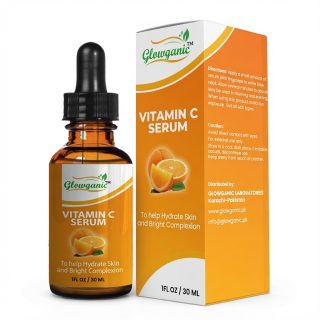
 Glowganic Vitamin C Face Serum 30ml
Original price was: ₨ 430.₨ 425Current price is: ₨ 425.
-
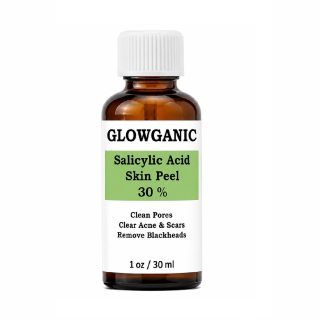
Salicylic Acid Peel 30% - Glowganic 30 ml
₨ 390
-
Lactic Acid 80% | 30 ml | Glowganic | Exfoliating Chemical Peel for Bright & Smooth Skin
₨ 380
-
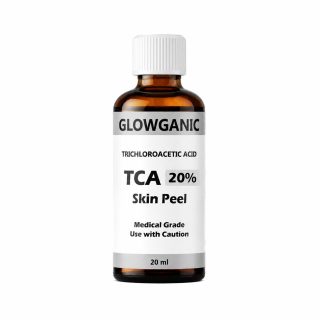
TCA Peel 20% / Trichloroacetic acid peel 20% 20 ml
₨ 890
-
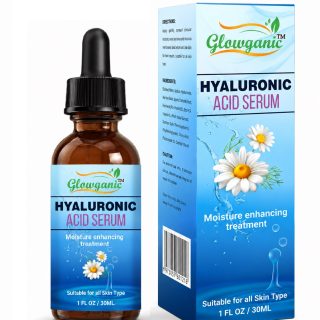
Hyaluronic Acid Serum 30 ml – Deep Hydration for Healthy-Looking Skin | Glowganic Pakistan
Original price was: ₨ 370.₨ 350Current price is: ₨ 350.



Leave a Reply